"Tech Tips" Posts

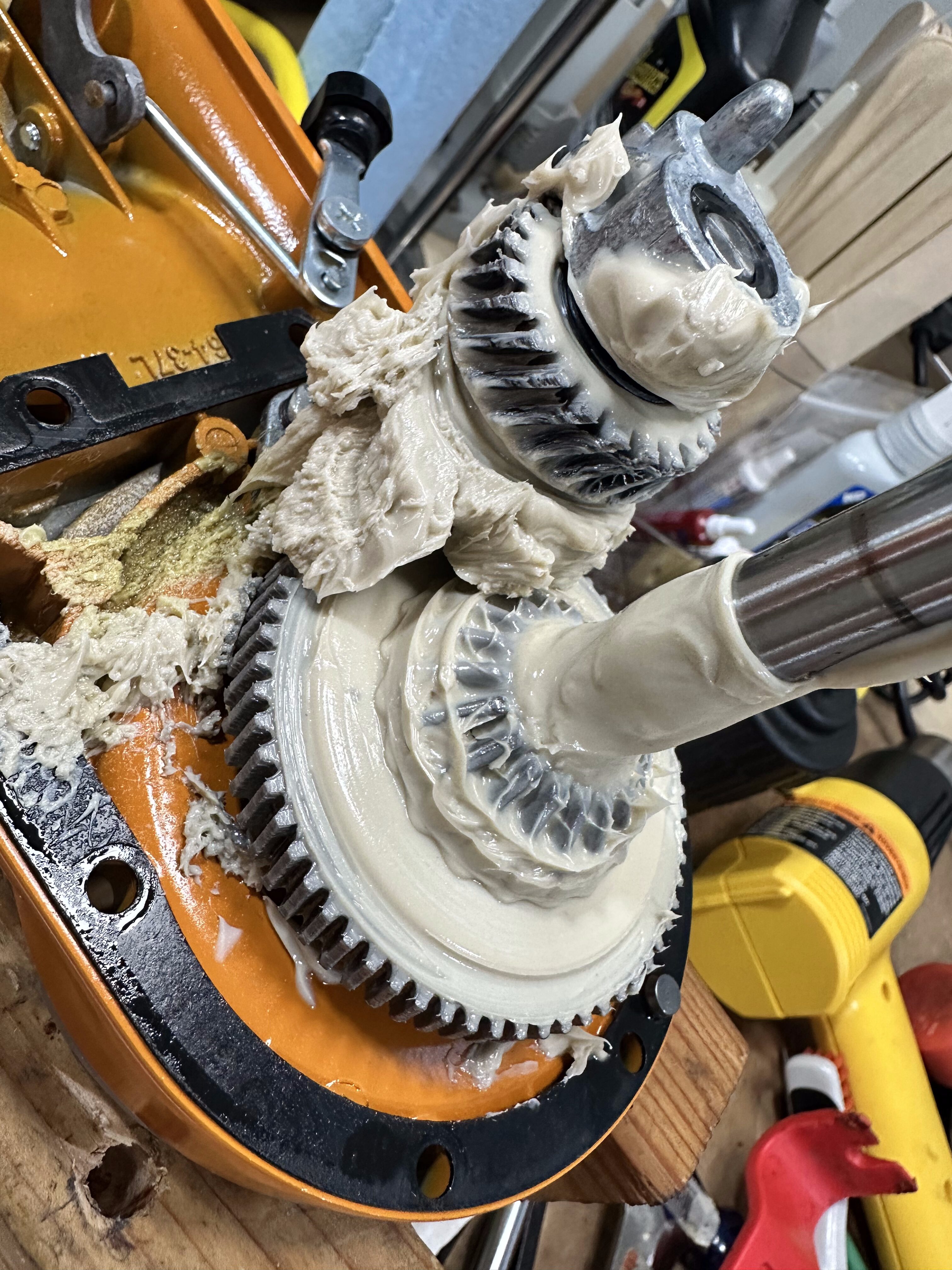
Regarding Grease

The subject of which grease to use when regreasing your mixer, and how much, can be confusing. There are a lot of arcane terms, and acronyms, and designations, and sometimes it gets to be a bit much. Hopefully the information in this post will help. Table of Contents Glossary of Terms The following technical terms are used in discussing greases and related matters: Consistency refers to how firm or soft the finished grease is. The National Lubricating Grease Institute (NLGI)…    more →Regarding Grease
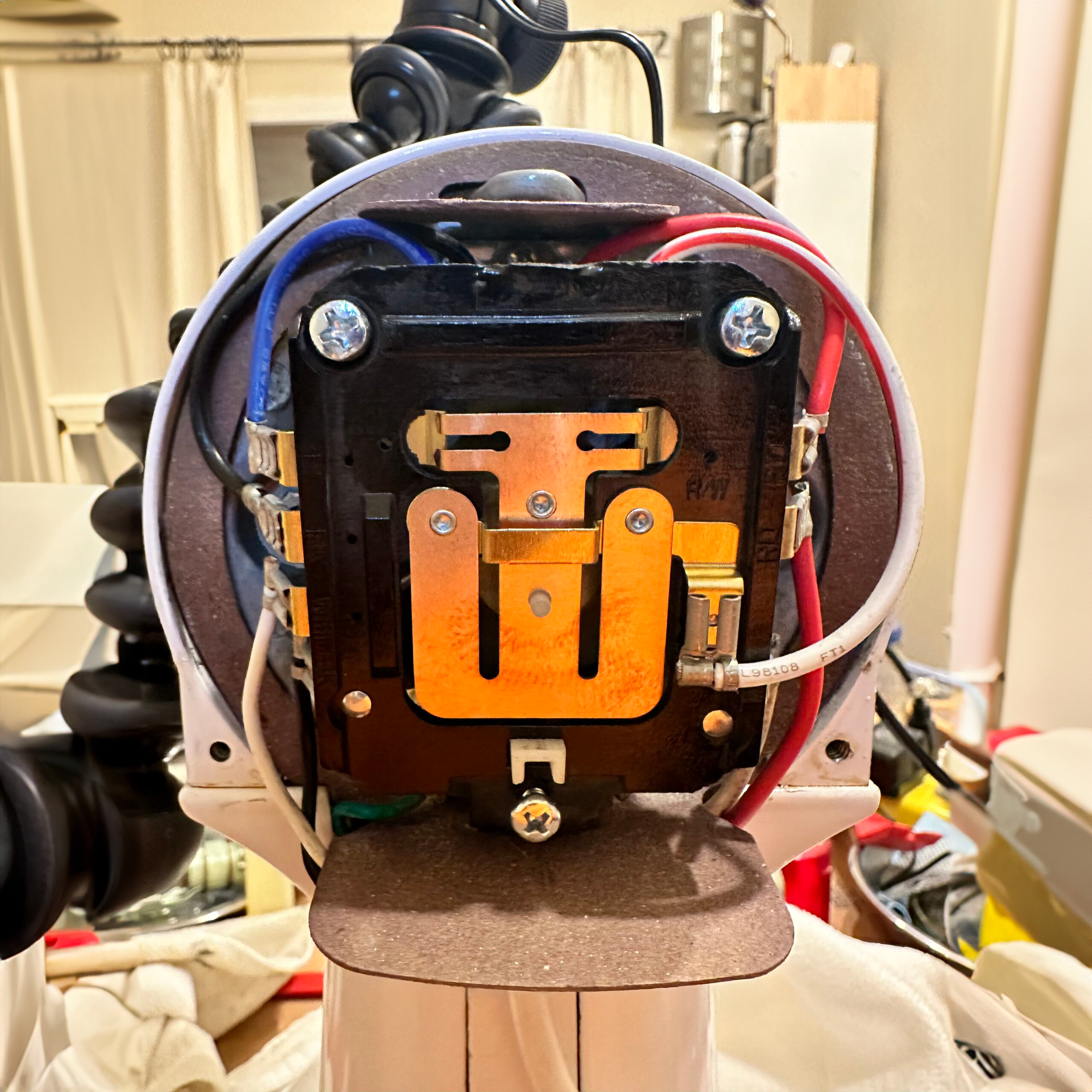
Regarding Power Cord Replacement on Vintage Models

Safety warning: Doing electrical work on countertop appliances can create the risk of an electric shock, which may be fatal. Always unplug the mixer before starting work on it, and if at all possible the work should be done by a qualified individual. The discussion here is intended to be educational, and not tutorial. Vintage mixers (in general, anything produced before the “solid state” K45SS was introduced in 1980) are equipped with two-wire power cords. In general, this is safe…    more →Regarding Power Cord Replacement on Vintage Models

Always Use the Genuine Part

The KitchenAid mixer parts market is chock full of imitations, knockoffs, and replicas; and sometimes it’s hard to know which ones are OK and which ones are not. The safest course of action is always to get the genuine factory part from a trusted supplier. Sometimes this may cost a little more, but it works out in the end because the part will last longer and quite often work better. Here’s an example: the “sacrificial” worm follower gear used in…    more →Always Use the Genuine Part

Whirlpool Cost Reductions III: Grease

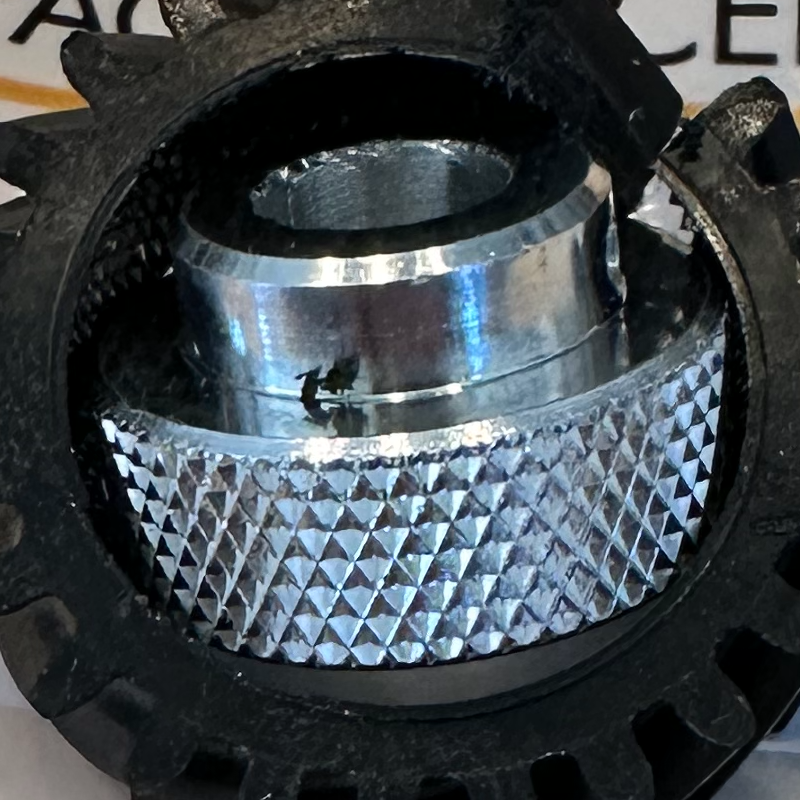
Beginning in roughly 2019, Whirlpool (operating as KitchenAid) has significantly reduced the amount of grease put in to the mixer’s gear train when assembling K45-type models (the “Classic”, “Artisan”, and other models similarly constructed). The factory service manual specifies six fluid ounces (a nominal 3/4 cup) of grease of an appropriate type, and has done so since this model type was introduced decades ago. The quantity of grease serves several purposes: in addition to creating a lubricating film on the…    more →Whirlpool Cost Reductions III: Grease

Whirlpool Cost Reductions I: Pinion Drive Bearings

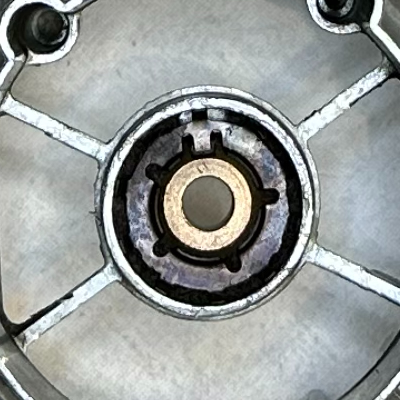
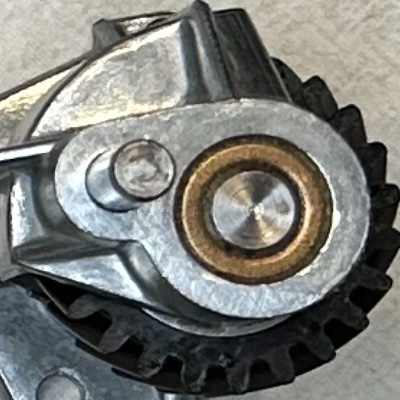
In the decades since Whirlpool first acquired the KitchenAid mixer product line from Hobart, they’ve made a few cost reductions. Here is one: the pinion shaft bearing, which transmits energy from the motor shaft to the main gears. Of note here are two specific changes: the first is that the alignment pin is now cast into the bearing housing itself (top). Originally (bottom) the casting had a hole in it which accepted a dowel pin (visible on the right-hand side)….    more →Whirlpool Cost Reductions I: Pinion Drive Bearings

Troubleshooting: Mixer Won’t Turn On

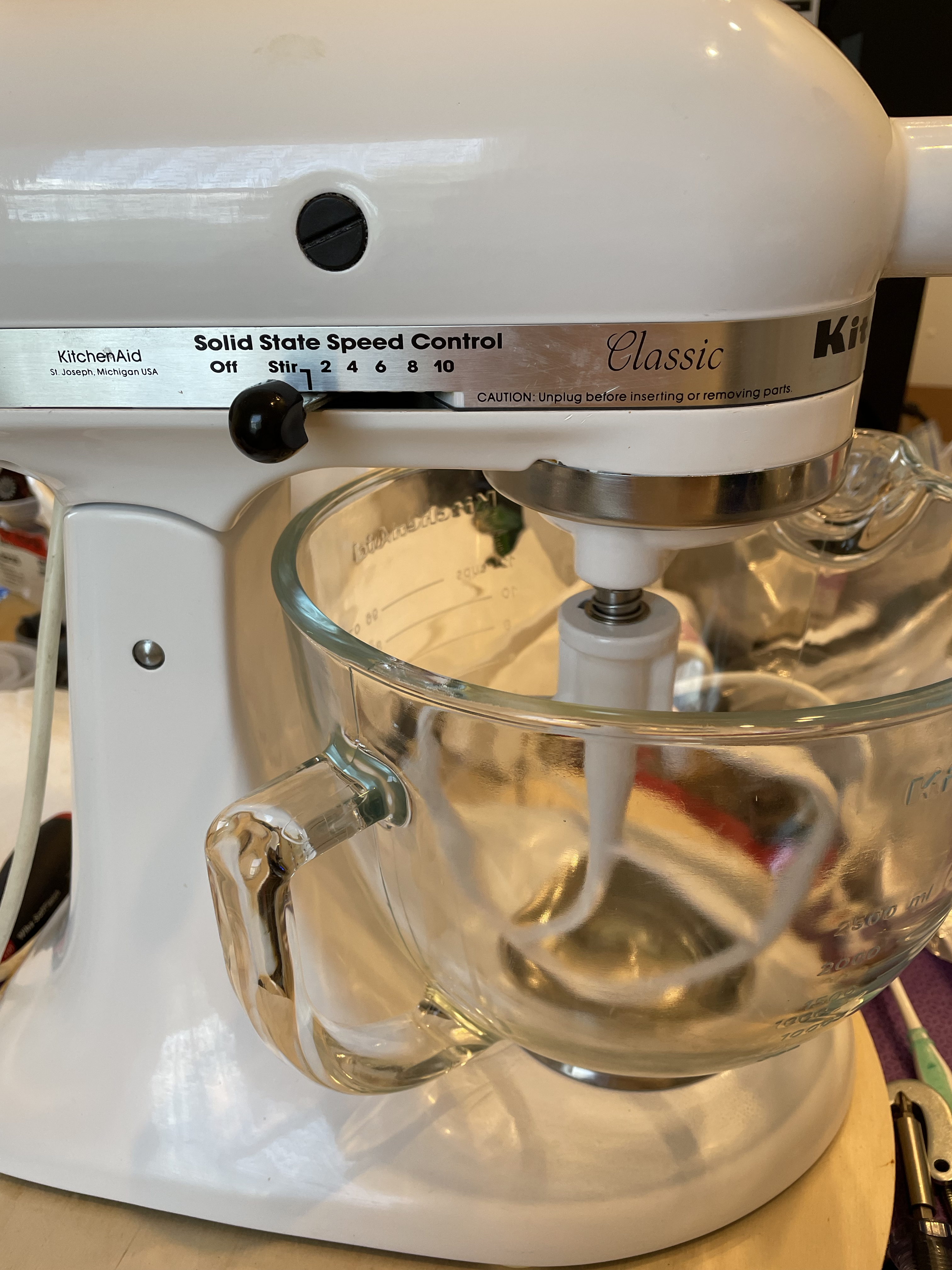
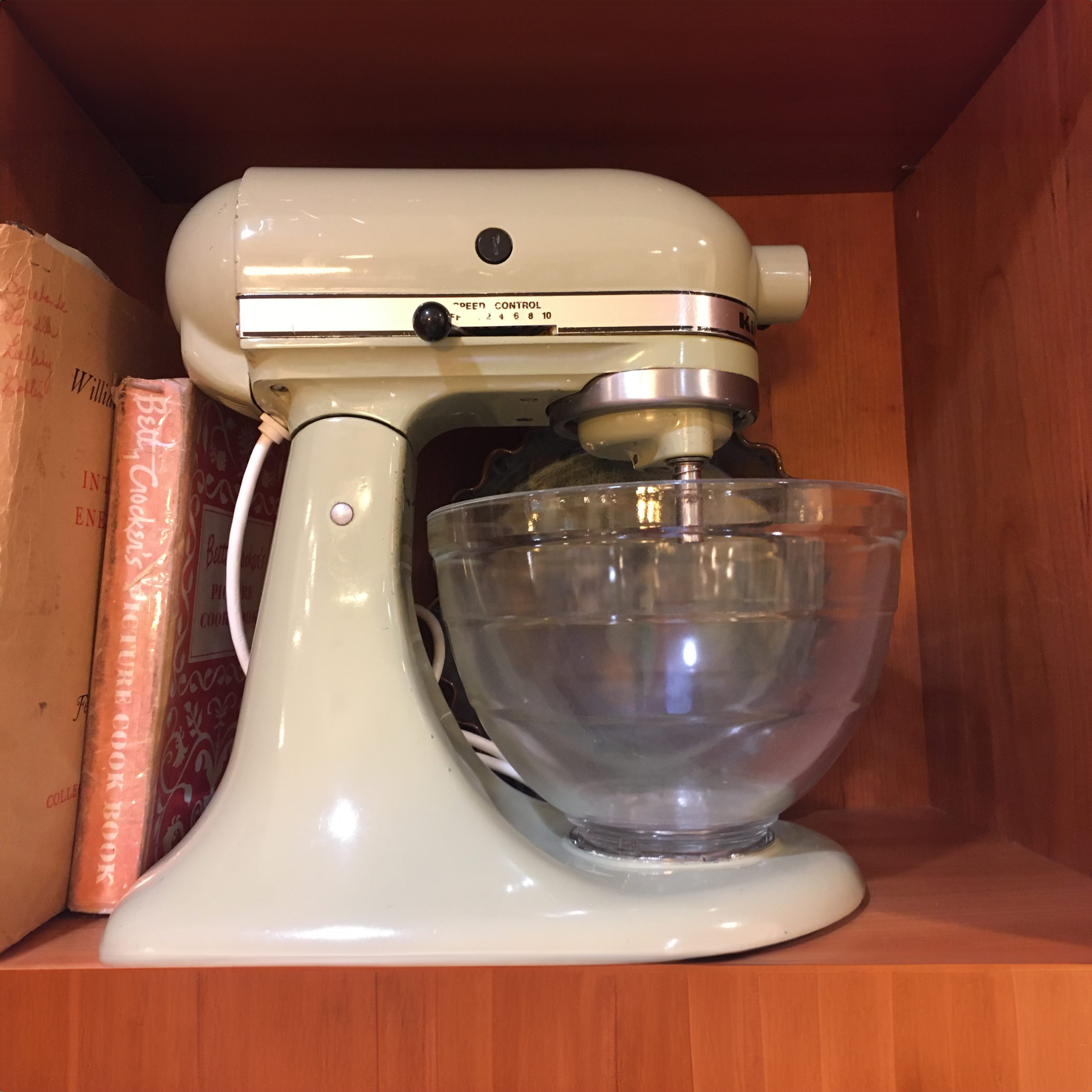
Introduction Most of the advice here applies to tilt-head K45-type models (Classic, Artisan, Ultra Power, etc but not the Artisan Mini or Accolade) and K5-type bowl-lift models (K5SS, KSM5, KPM5, KSM50 and their relatives). These models are distinguished by plastic motor brush covers (one on either side of the upper motor housing) and a round rear cover secured by a screw at the top. If a “Pro” series model (KG25, KV25, KP26, and similar) or Accolade won’t switch on, you…    more →Troubleshooting: Mixer Won’t Turn On

Care for Tilt-Head Models

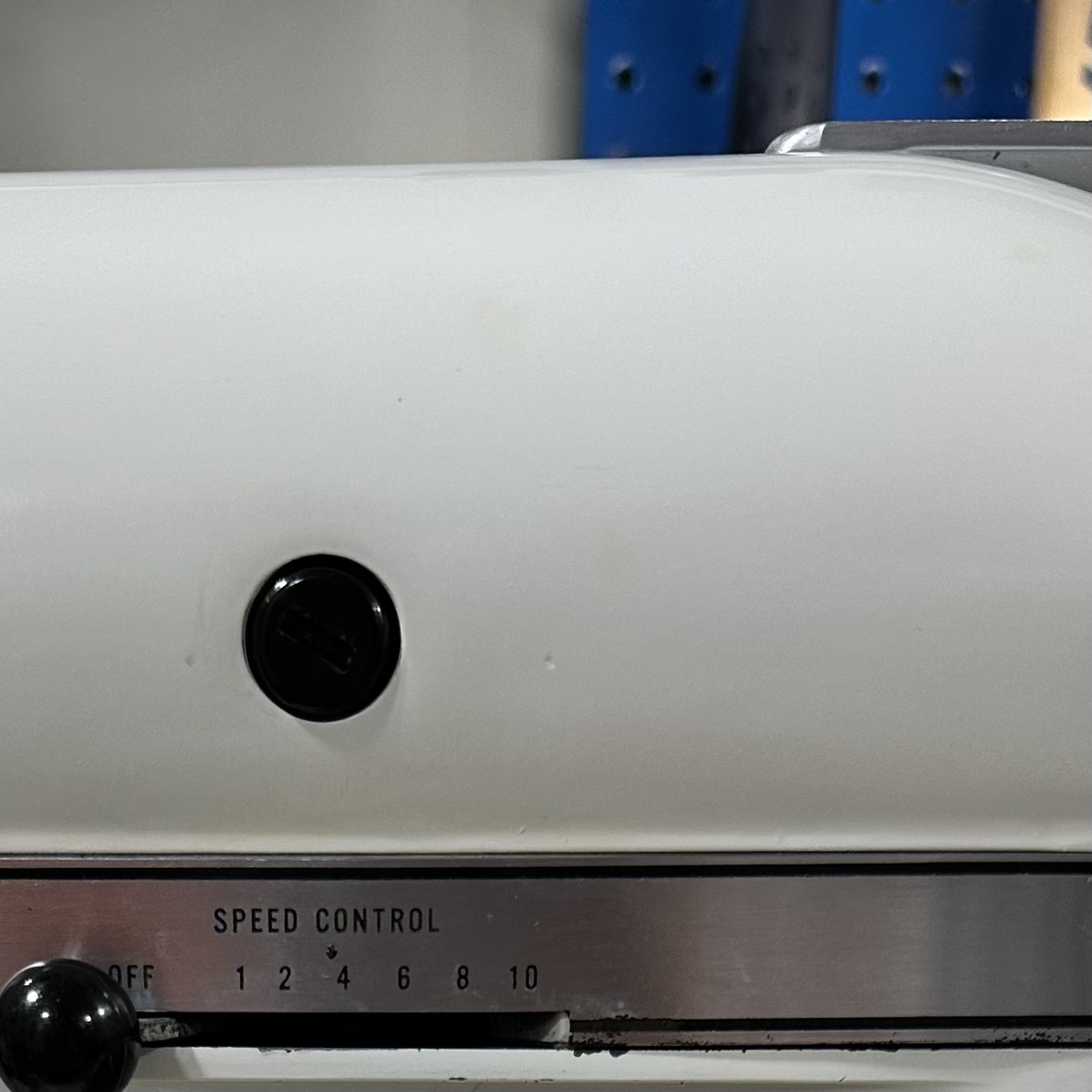
Here are some tips to help keep your tilt-head KitchenAid mixer in dependable working order. Check the Hub Thumbscrew Before each use, check the attachment hub thumbscrew, and make sure that it is firmly finger tight. It can loosen with time due to the vibration of the mixer, and a loose thumbscrew can allow the attachment hub cover to fall into the bowl, where it often jams the beater. This in turn will damage or destroy the “sacrificial” gear, and…    more →Care for Tilt-Head Models